Source Heat Treated Harvester Knife for Grass Mower, Corn Harvester, Straw Shredder
Find and compare heat treated harvester knife options from 30 verified listings. Evaluate materials like 65Mn steel and alloy coatings for grass mowers, corn harvesters, and straw shredders to find the right agricultural machinery parts for your needs; compare the available evidence and request quotations based on your requirements.
Key considerations
Products List


Comprehensive Sourcing Guide
Heat Treated Harvester Knife Sourcing Guide
Procuring heat treated harvester knives requires a disciplined approach to material science and mechanical fitment. These components are critical for the efficient operation of forage harvesters, corn harvesters, and straw shredders, where consistent cutting performance directly impacts yield and machine longevity. Buyers must prioritize suppliers who demonstrate a clear understanding of the specific metallurgical requirements for high-impact agricultural applications. The core value lies in the balance between hardness for edge retention and toughness to resist chipping during heavy-duty operation.
The sourcing process should begin with a detailed technical audit of the supplier’s manufacturing capabilities. It is essential to confirm that the supplier can provide consistent heat treatment processes that meet the specific hardness requirements of the knife geometry. This initial phase involves verifying that the supplier’s production lines are equipped to handle the precise dimensions and alloy compositions required for your specific machinery. Establishing this technical baseline early prevents costly rework and ensures that the supplied parts integrate seamlessly with existing harvester systems.
Product Scope and Observed Listing Signals
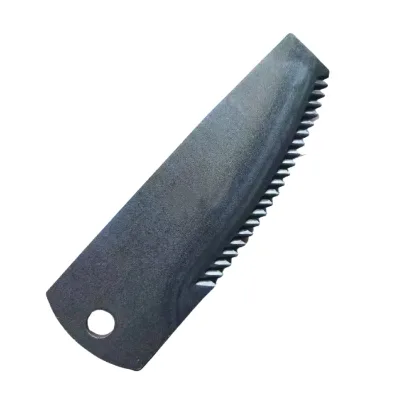
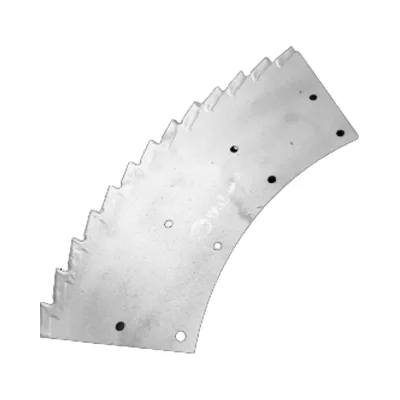
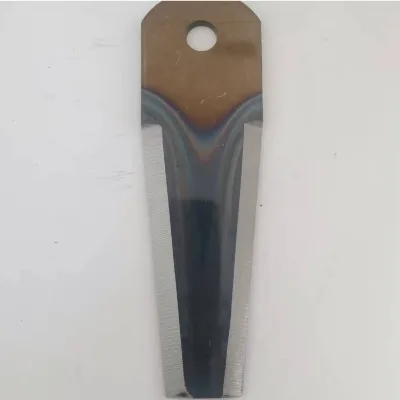
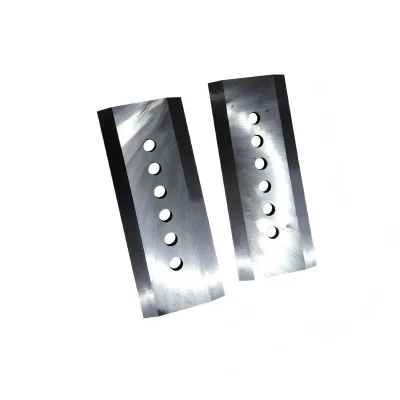
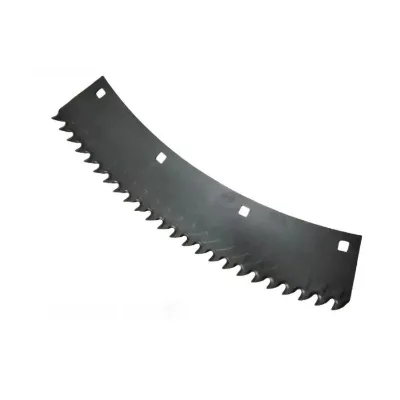
The market for these components includes various blade types, such as grass shredder blades, silage cutter blades, and crushing knives. Observed listings indicate a range of product names, including "Harvester Grass Cutter Serrated Cutter Swing Knife" and "Crushing Knife Agricultural Machinery Parts." These variations suggest that buyers must carefully match the specific blade profile to their machine’s cutting mechanism. For instance, a serrated cutter is distinct from a standard straight blade in terms of cutting action and wear patterns. Understanding these distinctions is vital for selecting the correct part.
Listing data reveals significant variations in packaging and unit weights, which impact logistics and inventory management. Single package sizes range from small boxes of 30x20x15 cm to large wooden packages of 150x150x100 cm. Similarly, single gross weights vary from 0.185 kg for individual small blades to 1200.0 kg for bulk shipments. Buyers should analyze these logistics signals to determine the most efficient shipping method. High-volume orders may require palletized or wooden crate packaging to ensure safety during transit, while smaller trial orders might be shipped in standard cartons.
Technical Specifications to Verify
Material composition is the primary technical specification to verify, with common materials including 65Mn steel, 65MN, and alloy-coated variants. Some listings specify "Laser alloy coating" or "3-sided laser" treatments, which enhance surface hardness and wear resistance. Buyers must confirm whether the supplier uses base carbon steel or higher-grade alloy steels, as this directly affects the knife’s lifespan. Additionally, the presence of specific treatments like "cutting edge treatment" should be documented in the technical data sheet. Verifying the exact alloy grade ensures that the material can withstand the abrasive forces of harvesting.
Dimensional accuracy is equally critical, with observed dimensions ranging from 155mm50mm3.5mm for smaller blades to 305mm for larger silage cutters. Model numbers, such as "Harvester Grass Cutter Serrated 53cm," provide specific identifiers for compatibility. Buyers should cross-reference these dimensions with their machine’s manual to ensure a perfect fit. Tolerances for thickness and length must be strictly controlled to prevent vibration and uneven cutting. Requesting dimensional drawings and tolerance specifications from the supplier is a necessary step in the qualification process.
Compliance and Safety Documentation
While specific international safety standards are not explicitly listed in the provided data, buyers should request machinery test reports to validate performance. The presence of a "machinery test report" in the supplier’s attributes indicates a commitment to quality assurance. This documentation should detail the testing methods used to verify the knife’s structural integrity and cutting efficiency. Buyers should insist on seeing these reports before placing large orders, as they provide objective evidence of the product’s reliability. This step helps mitigate the risk of receiving substandard parts that could damage expensive harvesting equipment.
Warranty terms also serve as a form of compliance documentation, with observed warranties ranging from three months to other unspecified periods. A clear warranty policy protects the buyer against manufacturing defects and material failures. Buyers should clarify the scope of the warranty, including what constitutes a defect and the process for claiming replacements. Additionally, suppliers offering "24 Hour Online Service" may provide better support for resolving technical issues post-delivery. Ensuring that all documentation is in English and clearly defined helps avoid misunderstandings during the procurement and after-sales phases.
Cost Drivers and Commercial Terms
The observed price range of $0.15 to $160 per unit reflects the diversity in blade size, material, and coating complexity. Smaller, simpler blades tend to be at the lower end of this spectrum, while larger, alloy-coated, or laser-treated knives command higher prices. Buyers should analyze the cost per unit in relation to the expected lifespan of the blade. A higher initial cost for a premium alloy-coated knife may be justified if it reduces replacement frequency and downtime. Understanding these cost drivers allows for more accurate budgeting and total cost of ownership calculations.
Minimum Order Quantities (MOQ) vary significantly, with observed values including 1, 24, 50, and 100 pieces. This flexibility allows buyers to start with small trial orders before committing to bulk purchases. However, larger MOQs often come with lower per-unit prices, making them attractive for long-term contracts. Buyers should negotiate commercial terms that align with their inventory strategy, considering factors like storage space and cash flow. Clear communication about payment terms and delivery schedules is essential to maintain a smooth supply chain relationship.
Supplier Qualification and Quality Control
Supplier qualification involves assessing their manufacturing capabilities and quality control processes. Look for suppliers who provide detailed information about their heat treatment facilities and material sourcing. The ability to offer OEM services, as indicated by "OEM: Acceptable," suggests a flexible manufacturing setup that can accommodate custom specifications. Buyers should request samples to evaluate the surface finish, hardness, and dimensional accuracy. This hands-on inspection is crucial for verifying that the supplier’s claims match the actual product quality.
Quality control should be a continuous process, with suppliers implementing checks at various stages of production. This includes incoming material inspection, in-process monitoring, and final product testing. Buyers can request quality control plans or audit reports to understand the supplier’s approach to defect prevention. Establishing a clear quality agreement that outlines acceptable defect rates and rejection criteria helps manage expectations. Regular communication and feedback loops ensure that any issues are addressed promptly, maintaining a high standard of product consistency.
Long-Term Procurement Checks
Long-term procurement requires establishing a stable relationship with the supplier, focusing on consistency and reliability. Buyers should monitor the supplier’s performance over time, tracking metrics such as on-time delivery, defect rates, and responsiveness to issues. Regular reviews of the supplier’s quality control processes ensure that standards are maintained as production scales. Building a strategic partnership can lead to better pricing, priority production slots, and collaborative product development. This approach reduces supply chain risks and enhances operational efficiency.
Sustainability and ethical sourcing are increasingly important considerations in long-term procurement. Buyers should inquire about the supplier’s environmental practices and labor standards. While specific certifications are not listed, asking about waste management and energy efficiency in the heat treatment process can provide insights into the supplier’s commitment to sustainable manufacturing. Aligning with suppliers who share your values can enhance your brand reputation and meet growing regulatory requirements. This holistic approach to procurement ensures that the supply chain is not only efficient but also responsible.
FAQs
What material is used for the heat treated harvester knife?
The heat treated harvester knife is primarily made from 65 manganese steel or alloy coating materials. Some variants feature laser alloy coating on three sides to enhance durability. This composition ensures high-quality cutting performance for various agricultural machinery applications like grass shredders and corn harvesters.
Which industries can use this heat treated harvester knife?
This heat treated harvester knife is designed for use in harvesters, grass mowers, forage harvesters, and straw shredders. It is suitable for tractors and corn harvesters specifically. The product serves as a critical component for cutting and processing agricultural crops efficiently in multiple farming scenarios.
Can I customize the dimensions of the heat treated harvester knife?
Yes, customization is available for the heat treated harvester knife to meet specific machinery requirements. Standard dimensions include 155mm by 50mm by 3.5mm or 305mm lengths depending on the model. Buyers can request tailored specifications to ensure proper fit and optimal performance for their specific agricultural equipment.
How long is the warranty period for the heat treated harvester knife?
The warranty period for the heat treated harvester knife is three months from the date of purchase. This coverage applies to manufacturing defects and material integrity issues. Buyers should also note that 24-hour online service is provided to assist with any technical inquiries or support needs during the warranty term.
What is the minimum order quantity for the heat treated harvester knife?
The minimum order quantity for the heat treated harvester knife varies by product type, ranging from 24 pieces to 100 pieces. Some specific models require a minimum of 50 pieces. Buyers should verify the exact MOQ for their selected model before placing an order to ensure compliance with supplier requirements.
Where is the heat treated harvester knife manufactured?
The heat treated harvester knife is manufactured in Shandong, China. This location is a known hub for agricultural machinery parts production. The products are shipped from this origin with specific packaging details like wooden packages or single boxes depending on the item type and weight specifications.
What is the single gross weight of the heat treated harvester knife package?
The single gross weight of the heat treated harvester knife package varies significantly by model, ranging from 21 kilograms to 1200 kilograms. Specific items like the crushing knife have a gross weight of 300 kilograms. Buyers must check the specific product details to determine the exact shipping weight for logistics planning.